

By Justin Teitelbaum, Brett Knight and Itai Zehorai
For Real Madrid, another season has just ended in resounding disappointment. The Spanish football giant lost the La Liga title (again) to its bitter Catalan rival; was knocked out of the Copa del Rey in the round of 16 by a club from the bottom of the second division; and was eliminated from the Champions League—the most prestigious tournament in club football, and arguably in all of world sports—by Bayern Munich, the reigning German champion. There, the local press handed Real Madrid a dubious distinction: “the biggest loser in world football.”
Yet as we have seen time and again in sports’ wealth rankings (see: Cristiano Ronaldo), on-pitch performance and off-pitch fortunes operate on entirely different scales. In the business arena, Real Madrid leaves its rivals in the dust—and it does so year after year.
The club broke the all-time revenue record for any football club in 2023-24 with approximately $1.1 billion in revenue, and closed the 2024-25 season with $1.27 billion—a 12% improvement that set yet another financial record.
The figures stand out even against the broader global landscape and particularly against the dominant American sports franchises. According to the latest data, the Spanish powerhouse generated more revenue than the world’s most valuable sports team, the NFL’s Dallas Cowboys, which brought in $1.23 billion—and yet the Cowboys remain valued, according to Forbes’ latest assessment, at $13 billion, roughly 36% higher than Real Madrid.
By franchise valuation, soccer still lags behind the colossal sums coursing through America’s top leagues—the NFL, NBA and MLB. Even so, Real Madrid remains the undisputed queen of the soccer business, standing once again as the most valuable football club in the world—the fifth straight year, and the tenth time in the past 13 years. The club is currently valued at $9.5 billion, a 41% jump from last year’s $6.75 billion.
Los Blancos can at least take comfort in knowing that, on the business front, archrival Barcelona still has plenty to learn—especially after the turbulent years that nearly pushed the club into bankruptcy under its previous president.
But under returning president Joan Laporta, things have begun moving in the right direction. A massive sponsorship deal was signed with Spotify, the Nike partnership was upgraded, and commercial revenues have become the club’s primary growth engine—generating more than €250 million in sponsorship deals alone last year. Merchandise sales and e-commerce surged in parallel to record highs, driving revenue past $1 billion.
With that milestone, Barcelona became only the second football club in history to cross the billion-dollar revenue threshold. All of which propelled the club’s value 33% higher year-over-year, to a record $7.5 billion.
A Wealth Gap At The Summit
Despite the financial muscle of Spain’s top clubs, recent years have not been kind on the European stage. Both clubs were eliminated in relatively early rounds of this year’s Champions League. For perspective, this year’s finalists—Arsenal and Paris Saint-Germain—don’t even crack the top three on Forbes’ list of the world’s most valuable football clubs.
PSG, the French champion, is now valued at $5.8 billion—nearly half the worth of top-ranked Real Madrid. Arsenal, having lifted the Premier League trophy for the first time in 22 years, is valued at $5.4 billion, marking a roughly 60% jump—impressive growth, yet enough only for eighth place on the list.
Despite Spanish dominance at the top, La Liga has just one additional representative in the top 30: Atlético Madrid. The club’s valuation soared 74% over the past year, according to Forbes’ rankings, to roughly $2.95 billion—welcome news for Israeli billionaire Idan Ofer, a part-owner of the Spanish club who, until recently, held roughly a third of its shares.
This past November, Apollo Sports Capital acquired 55% of the club at a valuation of €2.5 billion—exactly nine years after Ofer first entered as an investor, during which he generated phenomenal returns on his initial stake. He acquired 15% of the club’s shares in November 2017, then exercised an option to buy an additional 17% three months later. According to current reports, the Israeli billionaire still holds between 10% and 15% of the shares. In total, he invested €100 million for a 32% stake—reflecting a club valuation at the time of just $300 million, one-tenth of its current worth.
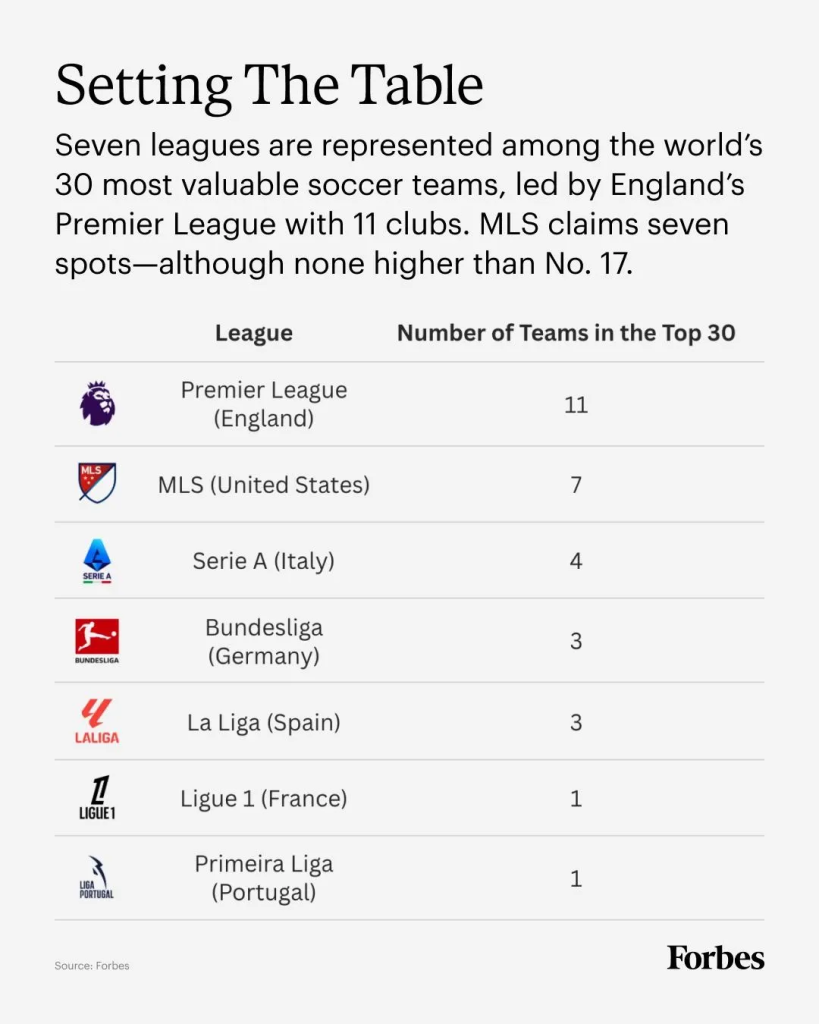
While Los Colchoneros sit at No. 11 globally, Spain is broadly underrepresented on the list in absolute numbers—a fact that highlights the extreme wealth gap defining one of football’s most lopsided top divisions. By comparison, England’s Premier League has 11 teams on the list; America’s rapidly enriching MLS has seven; and even Italy’s Serie A, far past its 1990s and 2000s heyday, has four.
The absolute economic dominance of a handful of clubs in Spain (three representatives), Germany (three) and France (one) is mirrored in the domestic title races and in a glaring absence of competition that effectively predetermines each league’s champion. This is the dark side of unprecedented commercial success: outsized salary gaps between rosters, ballooning franchise valuations, and torrential revenue flows.
Europe vs. America: Two Different Money Games
Unlike in the U.S., where last-place teams simply roll into the next season without “punishment” in the form of relegation, in Europe relegation isn’t merely a sporting threat—it is, above all, a financial one. The big money flows to the giants; the smaller clubs scrap for crumbs and operate in survival mode, both literally and figuratively.
A further distinction between Europe’s wealthiest sports franchises (all football clubs) and America’s wealthiest sports teams stems not just from the relegation system—a financial death sentence for sports clubs—but also from the markets themselves: a different business culture and a sporting mentality that, particularly in the U.S., drives commercial success at all costs.
European leagues operate in a market where broadcast rights generate significantly lower revenues compared with their American counterparts. Sports culture, too, is far less commercialized in Europe and is driven less by purely financial considerations.
Liverpool, for example, was forced to scale back planned ticket-price hikes following fan protests after charging an average of $99 per ticket in 2025—more than most of its European rivals, but less than half the equivalent ticket price at leading NFL franchises. European football also has no salary cap, and the arms race for top players has long kept the industry’s profitability comparatively modest.
These factors, among others, help explain how European football clubs generate more revenue and yet still command billions less than their American football, basketball and baseball counterparts—a gap that is similarly evident across football itself. At last summer’s FIFA Club World Cup, three MLS sides participated—Inter Miami, Seattle Sounders and LAFC—all of which currently rank among the world’s 30 most valuable football clubs.
And the results on the pitch? Seattle Sounders and LAFC were knocked out in the group stage. Lionel Messi’s Inter Miami, the only one to advance, was thrashed 4-0 by the stars of Paris Saint-Germain, who needed only one half to settle the issue. Even so, MLS has no fewer than seven representatives on the list, while France—a two-time World Cup champion and a global football superpower—has just one.
The gaps are equally evident across other sports. Real Madrid—the richest and most valuable football club in the world—still trails far behind the Dallas Cowboys’ $13 billion valuation, despite outperforming the NFL franchise in revenue. As things stand, Real Madrid sits at No. 20 on Forbes’ list of the world’s most valuable sports teams—well behind most franchises in the considerably wealthier NFL and NBA.
The World’s Most Valuable Soccer Clubs | 2026 Rankings
1. Real Madrid / $9.5 billion
League: La Liga (Spain) | YoY change: +41% | Revenue: $1.265 billion | Owners: Club members

2. Barcelona / $7.5 billion
League: La Liga (Spain) | YoY change: +33% | Revenue: $1.063 billion | Owners: Club members

3. Manchester United / $7.2 billion
League: Premier League (England) | YoY change: +9% | Revenue: $865 million | Owners: Glazer family, Jim Ratcliffe

4. Liverpool / $6.2 billion
League: Premier League (England) | YoY change: +15% | Revenue: $911 million | Owners: John Henry, Tom Werner
5. Paris Saint-Germain / $5.8 billion
League: Ligue 1 (France) | YoY change: +26% | Revenue: $912 million | Owners: Qatar Sports Investments

6. Bayern Munich / $5.7 billion
League: Bundesliga (Germany) | YoY change: +12% | Revenue: $938 million | Owners: Club members
7. Manchester City / $5.5 billion
League: Premier League (England) | YoY change: +4% | Revenue: $900 million | Owners: Sheikh Mansour bin Zayed Al Nahyan
8. Arsenal / $5.4 billion
League: Premier League (England) | YoY change: +59% | Revenue: $895 million | Owners: Stan Kroenke
9. Chelsea / $4.2 billion
League: Premier League (England) | YoY change: +29% | Revenue: $637 million | Owners: Todd Boehly, Clearlake Capital

10. Tottenham Hotspur / $3 billion
League: Premier League (England) | YoY change: -9% | Revenue: $733 million | Owners: Joseph Lewis Family Trust, Daniel Levy
11. Atlético Madrid / $2.95 billion
League: La Liga (Spain) | YoY change: +74% | Revenue: $488 million | Owners: Apollo Sports Capital, Quantum Pacific, Ares Management
12. Juventus / $2.4 billion
League: Serie A (Italy) | YoY change: +12% | Revenue: $458 million | Owners: Agnelli family

13. Borussia Dortmund / $2.2 billion
League: Bundesliga (Germany) | YoY change: +7% | Revenue: $579 million | Owners: Bernd Geske, Evonik Industries
14. AC Milan / $1.85 billion
League: Serie A (Italy) | YoY change: +23% | Revenue: $447 million | Owners: RedBird Capital Partners
15. Inter Milan / $1.8 billion
League: Serie A (Italy) | YoY change: +57% | Revenue: $586 million | Owners: Oaktree Capital Management
16. Aston Villa / $1.4 billion
League: Premier League (England) | YoY change: +56% | Revenue: $490 million | Owners: Wes Edens, Nassef Sawiris
17. Inter Miami / $1.35 billion
League: MLS (USA) | YoY change: +13% | Revenue: $200 million | Owners: Jorge Mas, Jose Mas, David Beckham
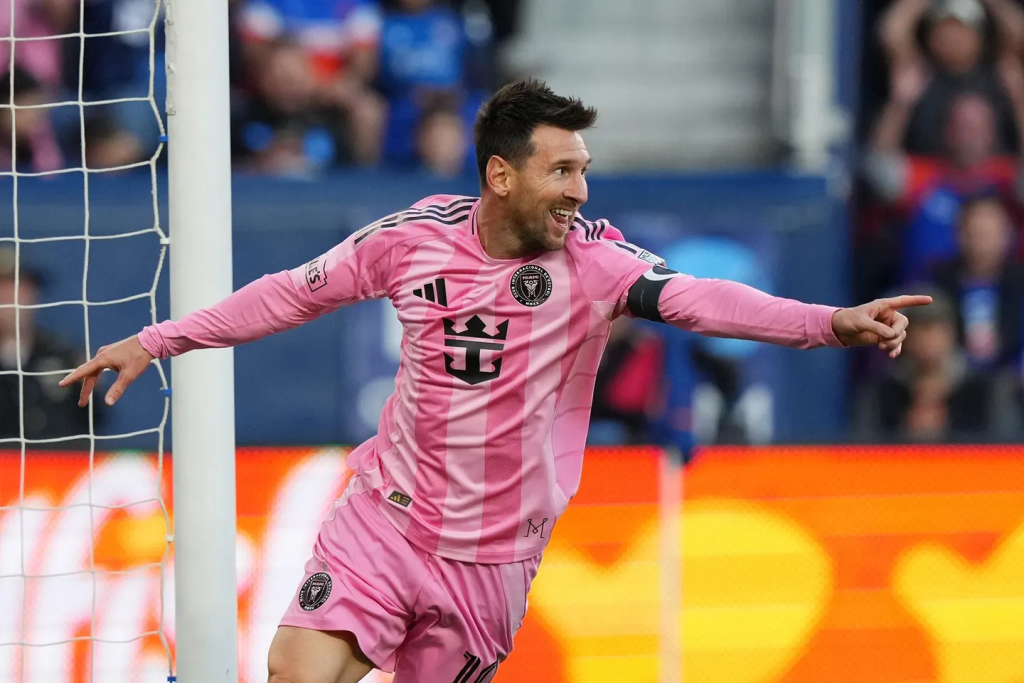
18. Los Angeles FC / $1.32 billion
League: MLS (USA) | YoY change: +6% | Revenue: $167 million | Owners: Bennett Rosenthal, Brandon Beck, Larry Berg, Peter Guber
19. Newcastle United / $1.25 billion
League: Premier League (England) | YoY change: +14% | Revenue: $435 million | Owners: Public Investment Fund of Saudi Arabia
20. LA Galaxy / $1.08 billion
League: MLS (USA) | YoY change: +8% | Revenue: $106 million | Owners: Philip Anschutz
21. New York City FC / $1.02 billion
League: MLS (USA) | YoY change: +17% | Revenue: $90 million | Owners: City Football Group (Sheikh Mansour)
22. Atlanta United / $1 billion
League: MLS (USA) | YoY change: +3% | Revenue: $105 million | Owners: Arthur Blank
23. Benfica / $960 million
League: Primeira Liga (Portugal) | YoY change: New entry | Revenue: $252 million | Owners: Club members

24. Roma / $940 million
League: Serie A (Italy) | YoY change: +16% | Revenue: $242 million | Owners: Friedkin Group
25. Everton / $930 million
League: Premier League (England) | YoY change: New entry | Revenue: $255 million | Owners: Friedkin Group
26. Fulham / $920 million
League: Premier League (England) | YoY change: +8% | Revenue: $253 million | Owners: Shahid Khan
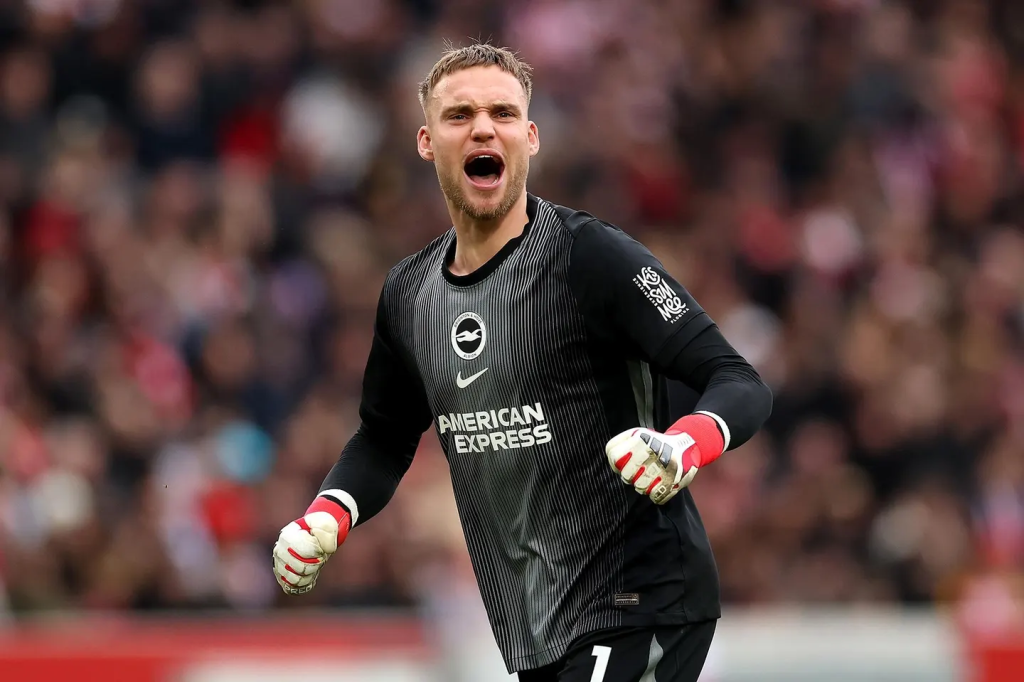
27. Brighton & Hove Albion / $910 million
League: Premier League (England) | YoY change: +6% | Revenue: $295 million | Owners: Tony Bloom
28. Stuttgart / $880 million
League: Bundesliga (Germany) | YoY change: New entry | Revenue: $323 million | Owners: Club members
29. Seattle Sounders / $860 million
League: MLS (USA) | YoY change: +8% | Revenue: $100 million | Owners: Adrian Hanauer
30. Austin FC / $855 million
League: MLS (USA) | YoY change: +4% | Revenue: $94 million | Owners: Anthony Precourt, Eddie Margain